
Angelo Colussi
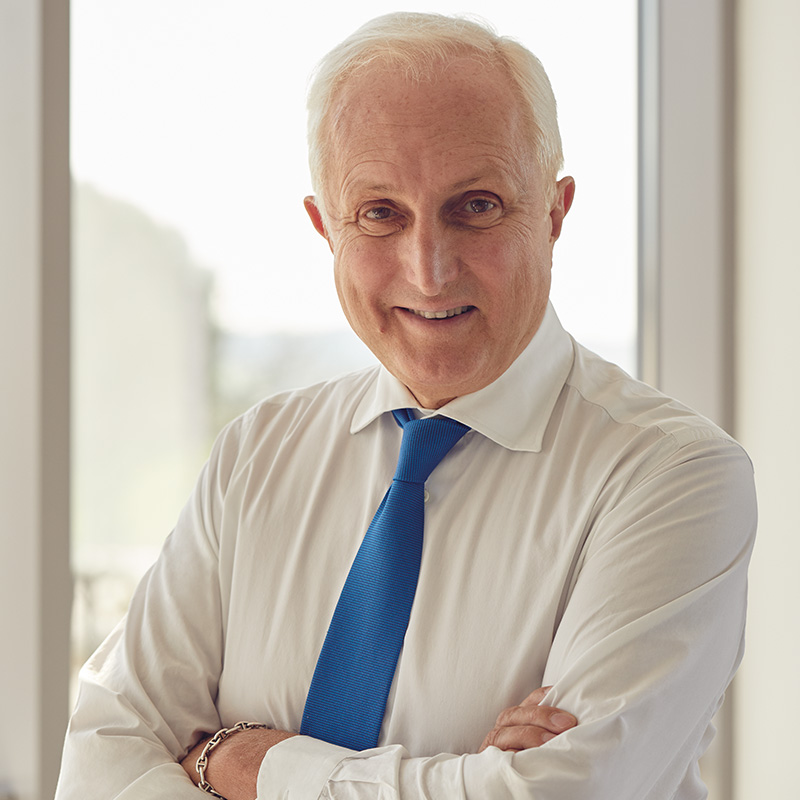)
I am Angelo Colussi, representing the sixth generation at the helm of the company founded by my ancestor Giacomo, born in 1791.
Mr. Colussi, you are one of the Italian members of the Henokiens Association, could you please present yourself to our readers?
> Angelo Colussi : I am Angelo Colussi, representing the sixth generation at the helm of the company founded by my ancestor Giacomo, born in 1791. I joined the company in the late 1970s, when our core business was heavily centered on the GranTurchese biscuit, which accounted for more than 90% of total turnover. Together with my father, Giacomo, we launched a process of product diversification, introducing new categories such as rusks and crackers.
In the 1990s, we pursued a strategy of external growth that allowed us to enter new product segments and acquire historic, well-established brands such as Misura, Agnesi (1824) and Sapori (1832). Since the early 2000s, our focus has been on international expansion through direct investments abroad and strategic partnerships with international players. Today, I serve as Chairman of the Colussi Group and remain actively involved in the business.
Can you present your company and its activities?
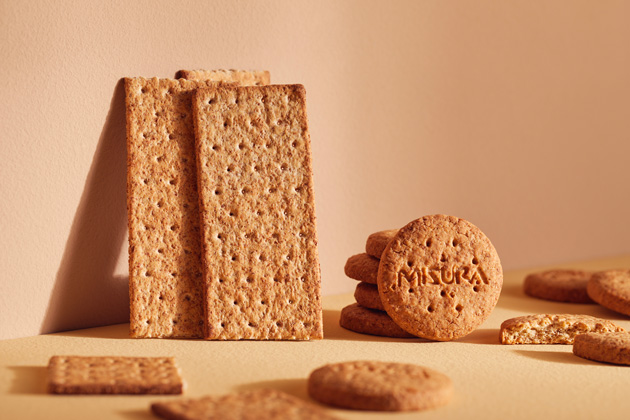
> AC. : The Colussi Group is an Italian, family-owned company operating in the bakery, pasta and chocolate sectors. It brings together some of the most representative brands of the Italian food tradition, including Colussi 1791, Misura, Sapori 1832 and Agnesi 1824.
The Group operates 12 production plants—six in Italy and six abroad—and exports its products to around 80 countries worldwide. Our mission is to create high-quality food products, developed with passion and innovation, while promoting a sustainable food model and strengthening our international presence.
Which have been the outstanding events for your company in the recent years?
> AC. : Among the most significant milestones of recent years are the acquisitions of the Misura and Agnesi brands in 1996 and 1999 respectively. These transactions enabled us to enter the healthy food and pasta segments, strengthening our portfolio and bringing historic Italian brands back under Italian ownership after periods with multinational groups.
More recently, in 2024, we acquired Dr. Karg’s, a leading German company specializing in bread substitutes and healthy snacks. This acquisition has enabled us to expand our bakery range in Italy and Germany while further strengthening our position in the German market. We are now exploring additional opportunities to consolidate this growth.
How can you explain the longevity of your company?
> AC. : I believe the longevity of our company is rooted in the commitment and vision of the people who have shaped its history over time. Our predecessors demonstrated initiative and an ability to seize opportunities, navigating changing political and economic contexts, wars and global crises with determination.
Each generation has not simply preserved what it inherited, but has had the courage to go further, embracing innovation with a pioneering spirit. Our membership of the Henokiens Association embodies this approach: safeguarding a centuries-old heritage while maintaining a clear focus on the future.
Could you say that this extraordinary longevity is an asset in your customer relations?
> AC. : Longevity is a distinctive asset that translates into credibility, reliability and continuity in our relationships with customers. The trust we have built over time is invaluable and enables us to develop long-lasting and successful partnerships. Our customers know they can rely on us thanks to our experience, consistent quality and ongoing commitment to meeting their needs.
Do the traditional values guiding the firm constitute an advantage as regards research and innovation?
> AC. : The traditional values on which our identity is founded are not a constraint, but rather a solid base for innovation. Our long history has taught us that, in order to endure, a company must continuously evolve. Values such as quality, sustainability and the ability to face challenges continue to guide us in the research and development of new products and processes.
Which are the most important traps, that your company must avoid in order not to lose its independence?
> AC. : One of the main traps to avoid is believing that what worked in the past will automatically work in the future. Independence is preserved through evolution: even the business model must be challenged when circumstances change. Companies that last are those able to transform themselves while remaining true to their values and adapting with courage to new challenges.
Is the transmission of the firm to a family member governed by clearly established rules?
> AC. : There are no rigid or formal rules governing the transfer of the company to a family member. Succession is not automatic; it depends on personal commitment, competence and a genuine determination to ensure continuity, guided by the company’s values and a long-term vision.
Is the new generation already working in the firm?
> AC. : Yes, three of my four children—Giulia, Camilla and Giacomo—representing the seventh generation, are already working in the company and are actively involved in its operations. Giacomo, in particular, holds the position of CEO. Federico, the youngest, is still completing his studies.
Do you have a message to communicate to all those who would like to start their own family business?
> AC. : My advice to anyone wishing to start a family business is to follow your passion, believe strongly in what you want to achieve, and pursue it with dedication and a long-term perspective.